
Walk into any craft store or browse online and you’ll see hundreds of crochet accessories promising faster stitches, perfect tension, and professional results.
But here’s the truth experienced crocheters eventually learn:
You don’t need dozens of gadgets. You need the right six tools — and you need to understand why they matter.
Crochet problems like uneven edges, wrist pain, twisted yarn, and messy finishing rarely come from lack of skill. They come from missing or misunderstood essentials.
This guide focuses only on the tools that directly improve:
- stitch consistency
- comfort
- speed
- durability of finished projects
By mastering these six crochet essentials, you’ll immediately notice cleaner stitches and more enjoyable crocheting sessions.
1. Crochet Hooks — The Heart of Every Stitch
Your crochet hook is not just a tool — it determines the structure of your fabric.
Even using the same yarn and pattern, two hooks can produce completely different results due to shape, coating, and grip.
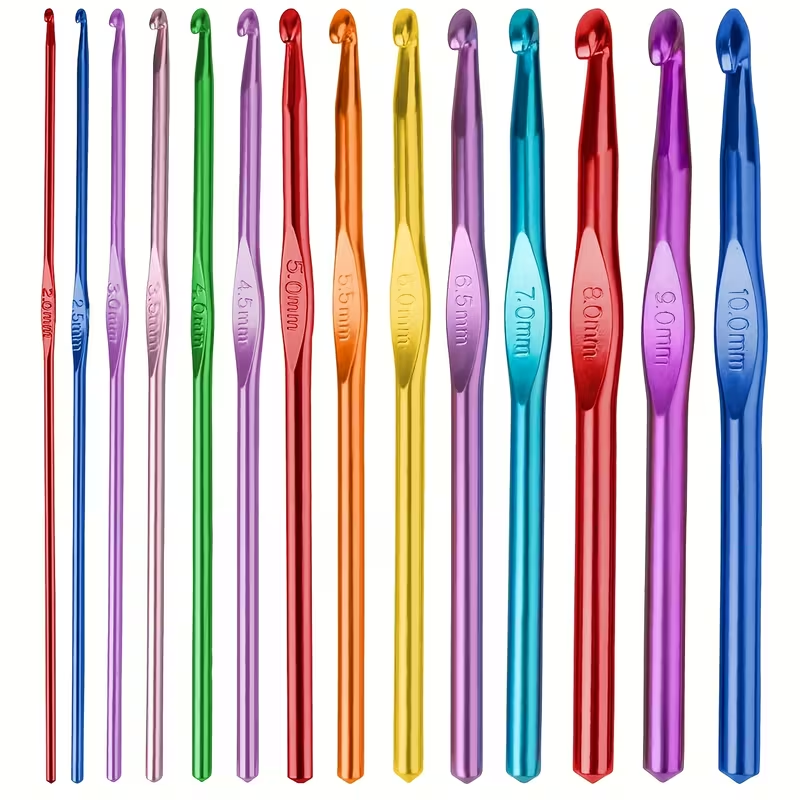
Hook Size Matters More Than Pattern Instructions
Patterns recommend hook sizes, but they assume average tension.
Your natural tension may be tight or loose.
That means the correct hook is the one that produces the correct fabric — not the one printed on the label.
General sizing guide:
| Yarn Type | Typical Hook |
|---|---|
| Lace | 1.5–2.25 mm |
| Fine | 2.5–3.5 mm |
| Light | 3.5–4.5 mm |
| Medium | 4.5–5.5 mm |
| Bulky | 6–8 mm |
| Extra Bulky | 9–15 mm |
Key Rule:
If your hands hurt → go up a size
If stitches look loose → go down a size
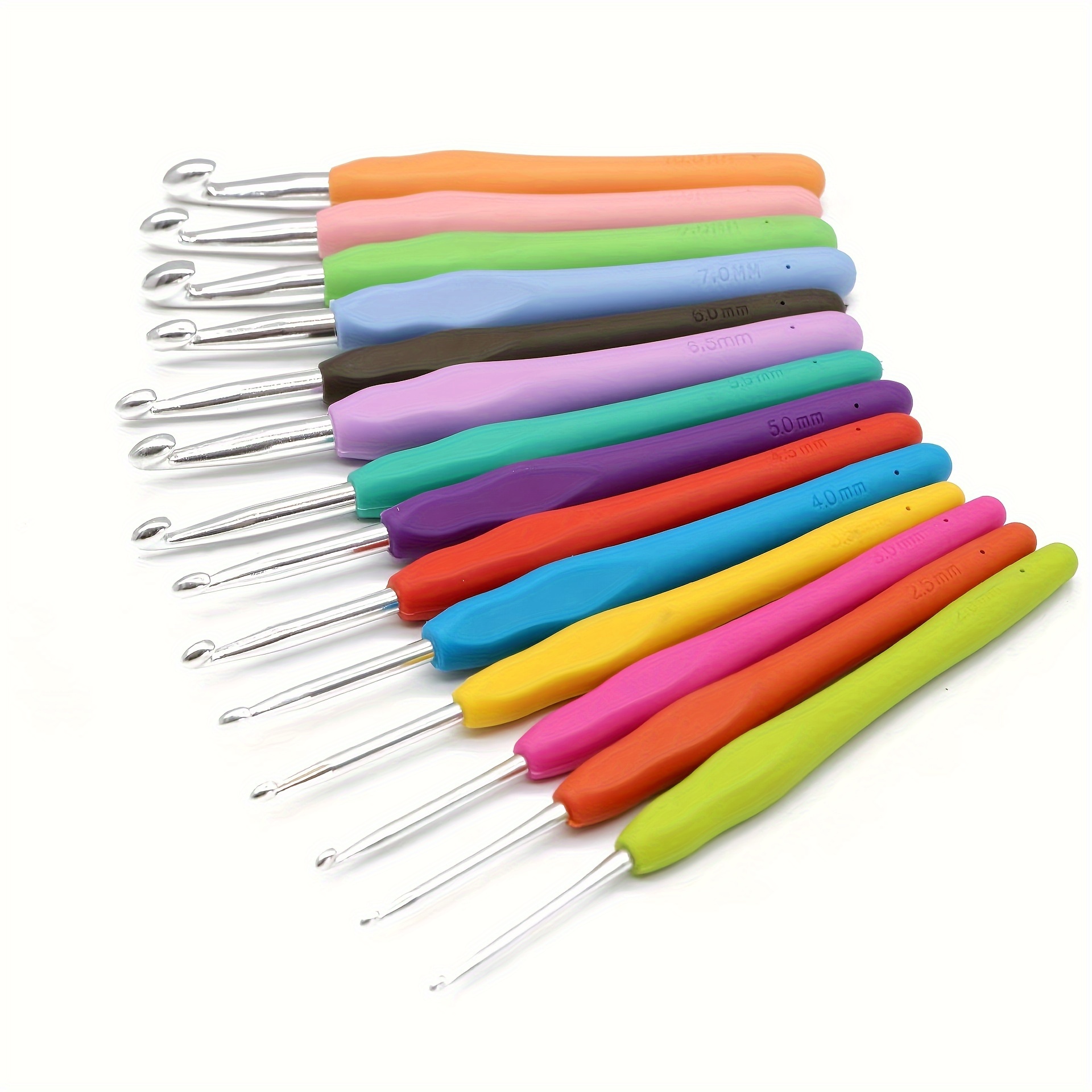
2. Ergonomic Crochet Hook Grip — Protecting Your Hands
Many crocheters quit not because they dislike crochet — but because of wrist pain.
Small metal hooks force your hand into a pinching position. Over time this strains tendons.
An ergonomic grip fixes the root cause.
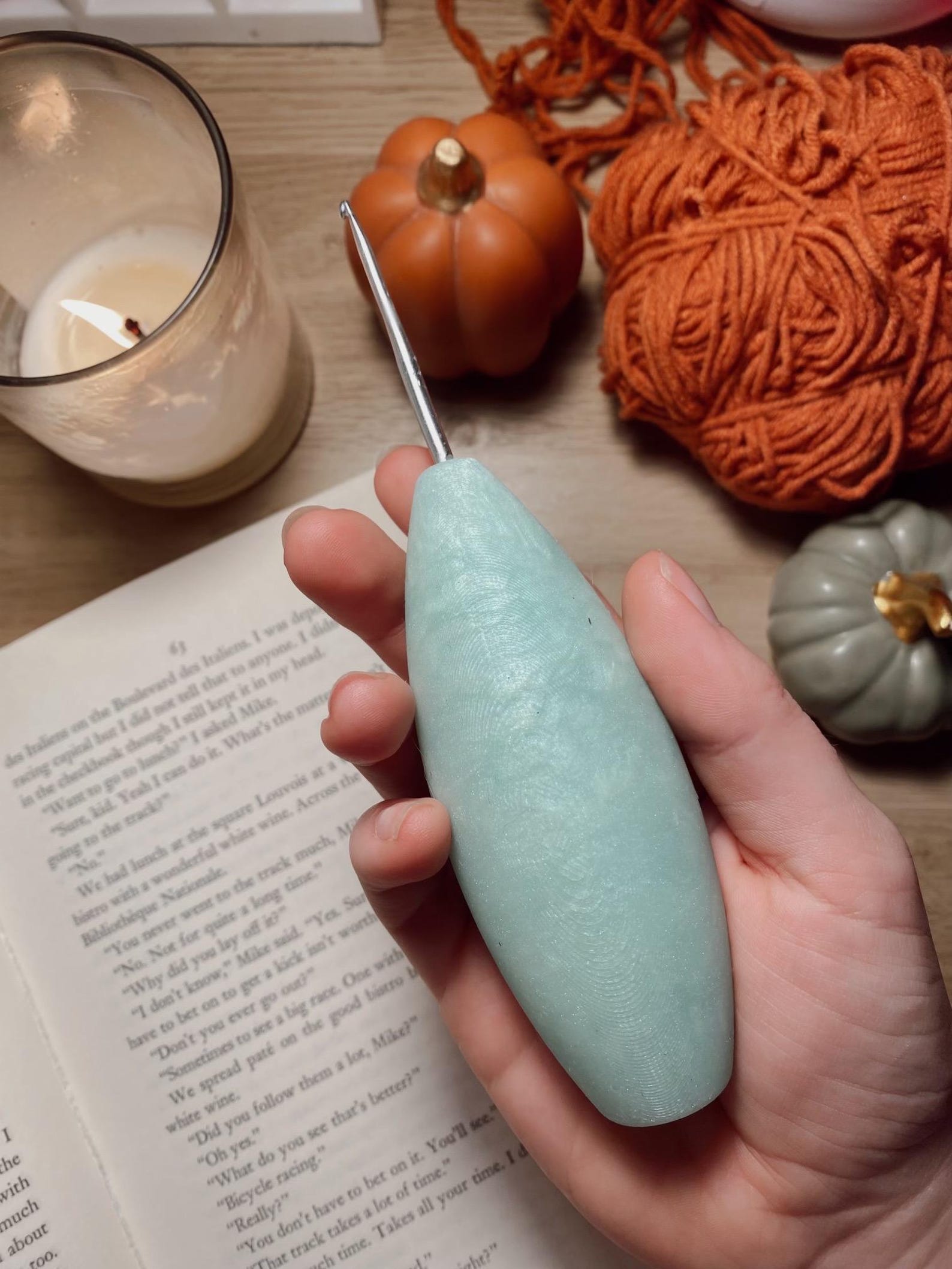
What an Ergonomic Grip Actually Does
A larger handle changes hand mechanics:
- reduces finger compression
- distributes pressure across palm
- stabilizes tension
- prevents fatigue tremors
As a result:
- stitches become even
- sessions become longer
- pain disappears
Signs You Need One
You should upgrade immediately if you notice:
- numb fingertips
- tight forearm
- hook imprint in finger
- tension worsening over time
Ergonomic grips aren’t a luxury — they’re preventative care for your hands.
3. Yarn Spinner — The Secret to Smooth Tension
A yarn spinner (also called a yarn winder/spindle holder depending on type) solves a problem beginners don’t realize exists:
Yarn twist resistance.
When yarn resists movement, your hand compensates unconsciously, causing uneven stitches.
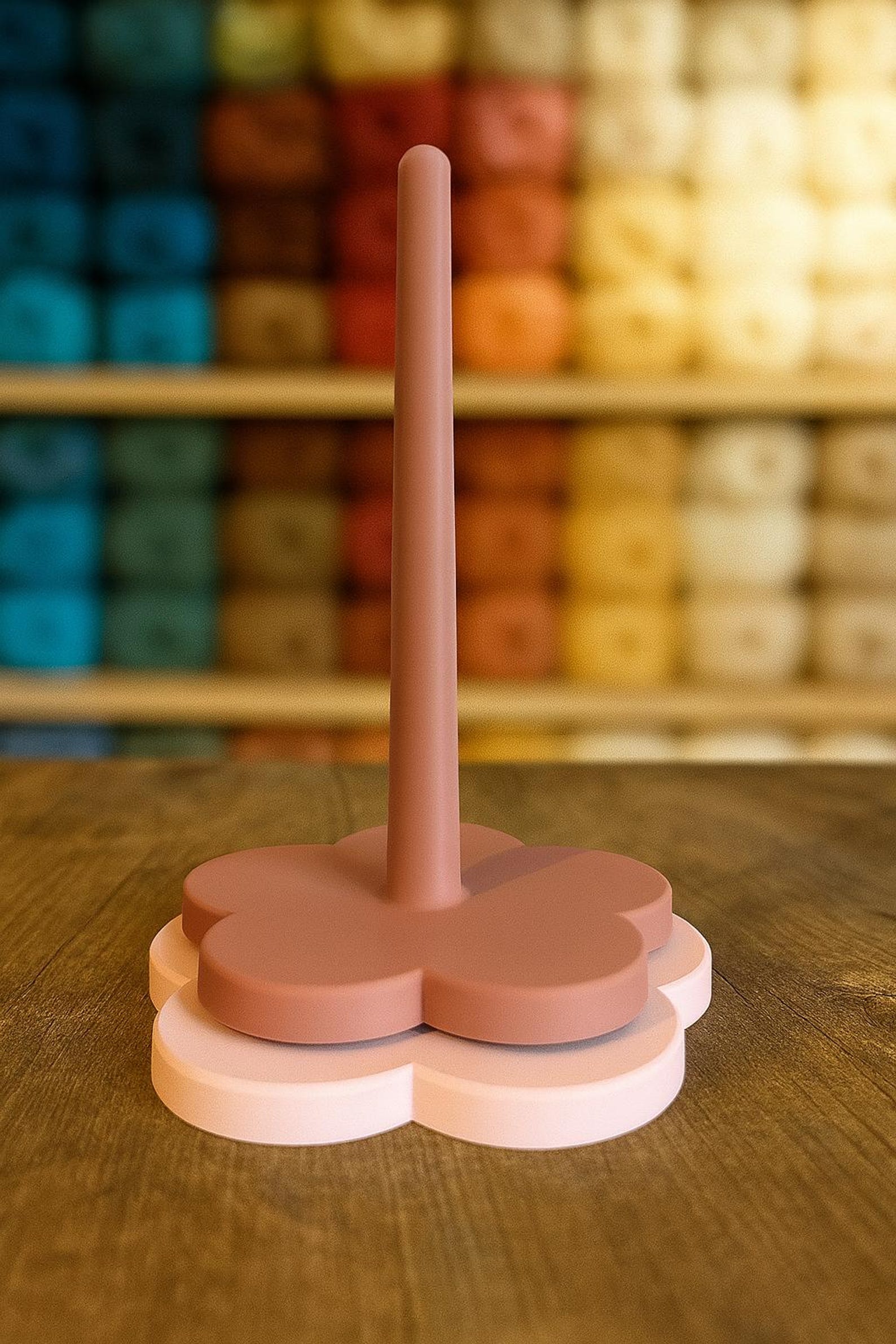
Especially Important For
- cotton yarn
- hand-dyed yarn
- center-pull skeins that collapse
- large blanket projects
This tool improves tension more than practicing for months without it.
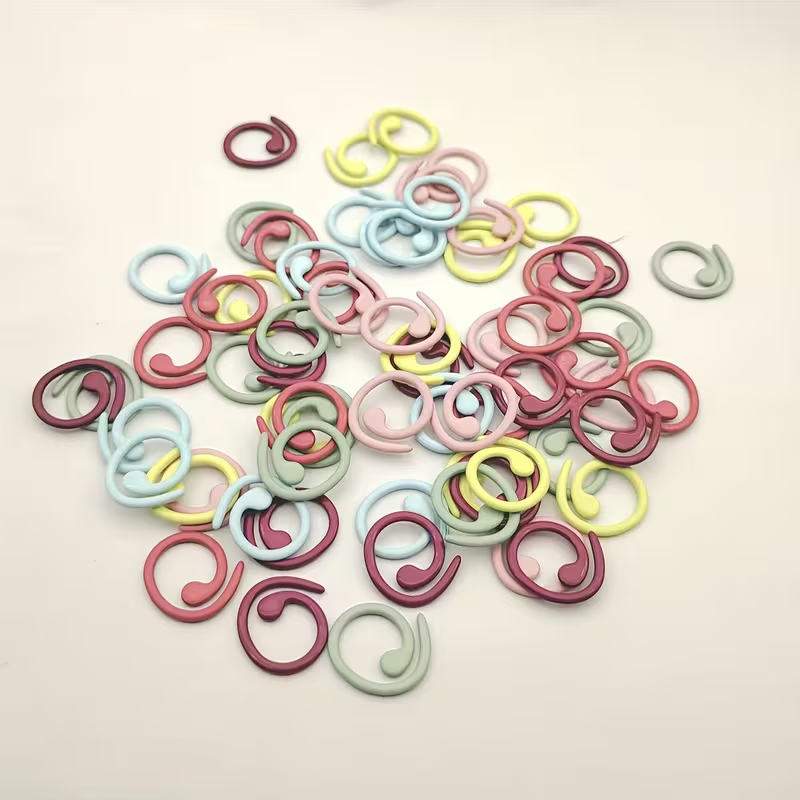
4. Stitch Markers — The Accuracy Tool Most Beginners Skip
Crochet does not show mistakes immediately.
Knitting unravels quickly — crochet hides errors for many rows.
That’s why stitch markers are essential.
Where to Use Stitch Markers
Always mark:
- the first stitch of each row
- corners in rectangles
- increases in shaping
- start of rounds in circles
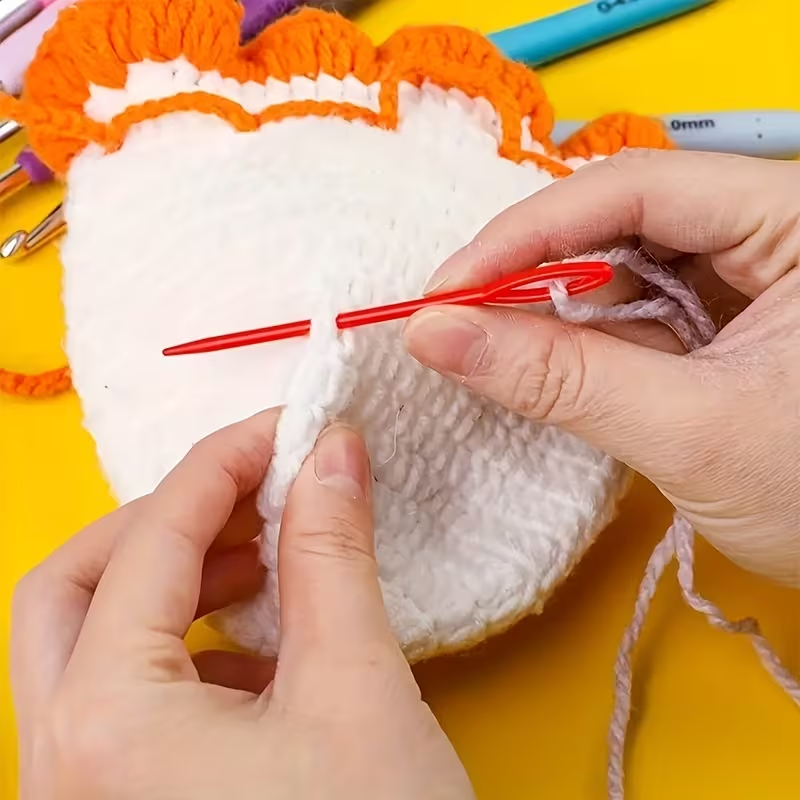
5. Tapestry Needles — The Difference Between Amateur and Finished
Crochet doesn’t end when the last stitch is made.
Finishing determines whether your project looks handmade or handcrafted.
That finishing depends entirely on yarn needles.
6. Small Scissors — Precision Matters
Cutting yarn cleanly affects finishing quality.
Dull scissors create frayed ends that resist weaving and poke out later.
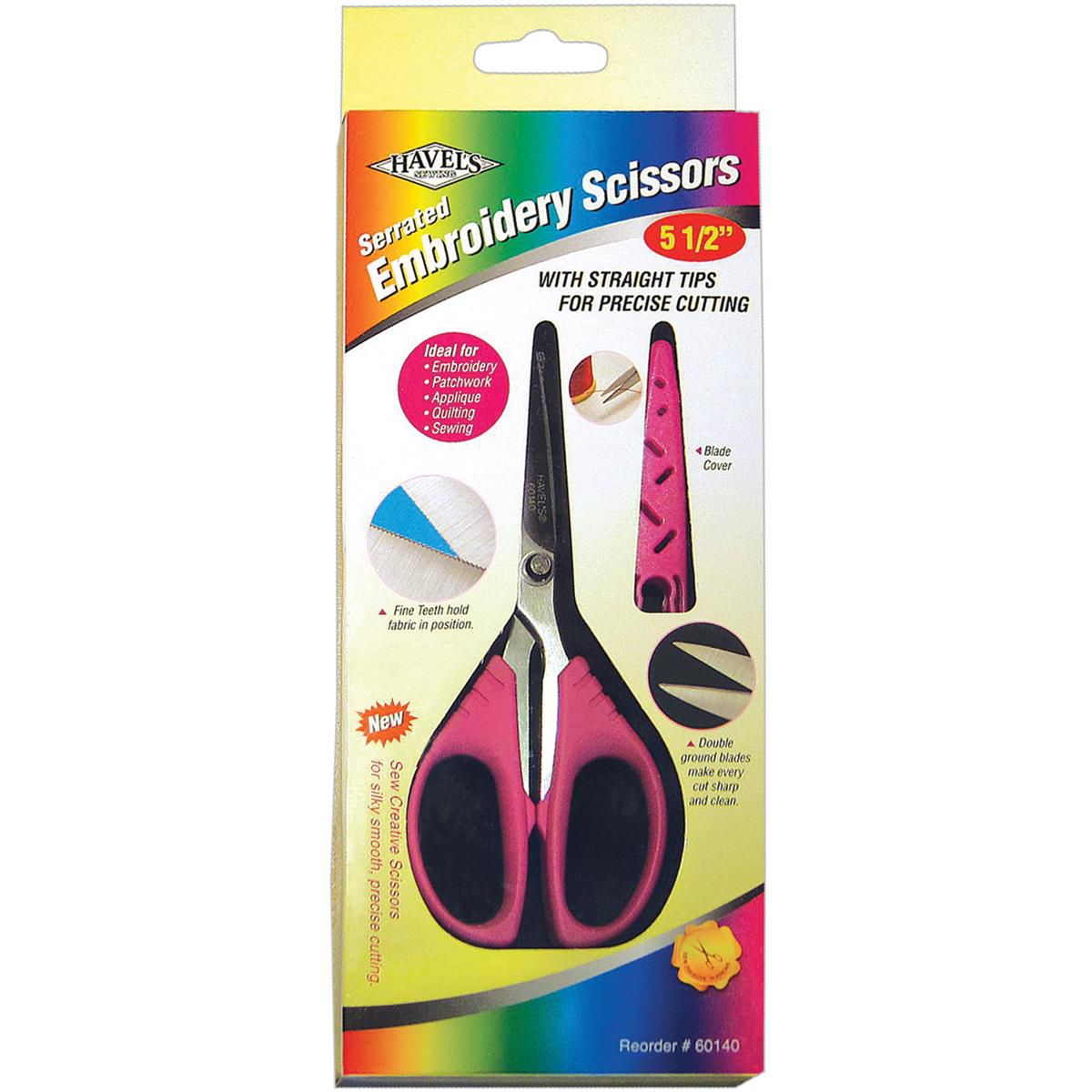
Why Dedicated Crochet Scissors Help
Craft scissors:
- cut cleanly
- reduce splitting
- improve weaving
Keep them only for yarn — paper dulls blades quickly.
Crochet is simple — but only when friction is removed.
Beginners often believe they need more practice when they actually need better tools. Once you support your hands, stabilize yarn flow, and prevent counting errors, crochet becomes smooth and predictable.
Mastering crochet isn’t about buying more supplies.
It’s about choosing the right ones intentionally.
These six essentials form the foundation of every comfortable, consistent crocheter.
Final Step
Before starting your next project, check your toolkit.
If you’re missing even one of these essentials, upgrading your setup will improve your stitches more than learning new patterns ever will.
Build your kit thoughtfully — and crochet will finally feel as relaxing as it’s meant to be.


Leave a comment